Precision and Design in the Digital Space
Premium brands pay attention to every detail—and expect the same level of precision in the digital presentation of their products.
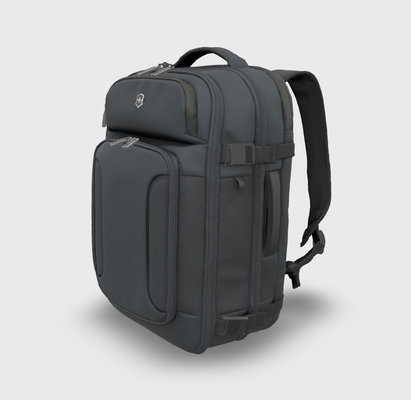
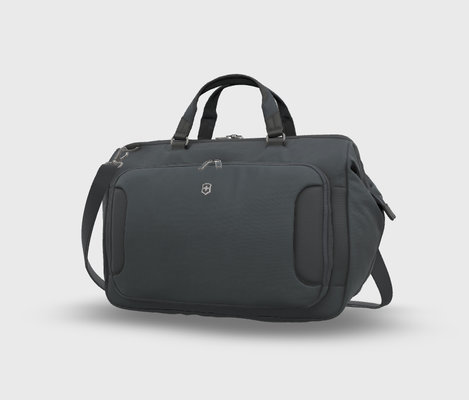
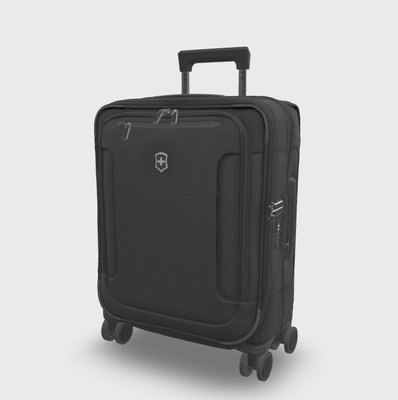
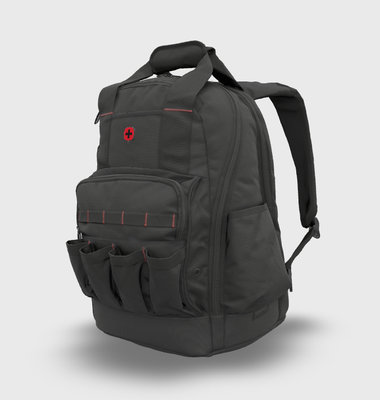
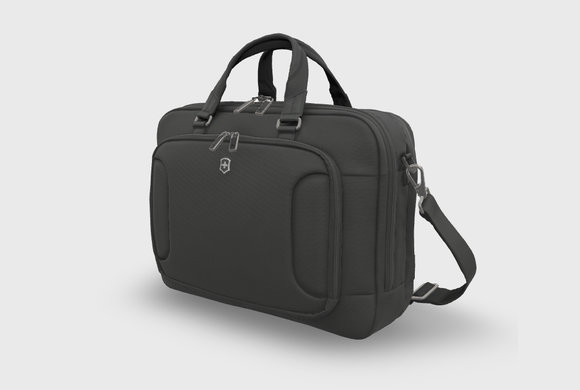
Victorinox, known worldwide for its Swiss Army knives, watches and luggage, uses 3D product models to create highly realistic marketing visuals and animations.
Digitising Victorinox and Wenger Products
We have been digitising selected Victorinox products for years—from smaller accessories to travel backpacks.
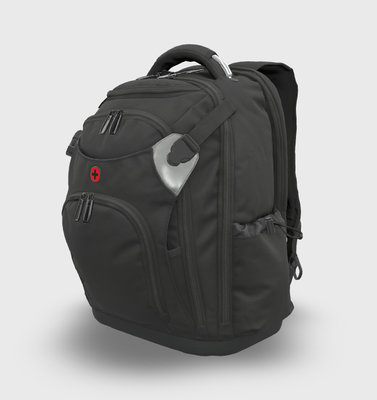
The portfolio also includes products from Wenger, a member of the Victorinox Group focused on modern, practical accessories for everyday use.
Each model combines precise 3D scanning with meticulous manual processing to match the quality the brand represents.
Although the resulting 3D models are used primarily to render product videos and visuals, their potential extends much further.
A Better Understanding of Product Size and Context
On the Victorinox website, customers can view a product next to a person or familiar objects to understand its scale more clearly.
It is a useful step that connects the physical world with digital presentation.
This is where 3D and AR visualisation take the experience even further: customers can place the product in their own environment, compare the size of a briefcase and a weekender bag, for example, and gain a much clearer idea of which product suits them best.
From Studio Scan to Web-Ready 3D Model
Our expertise in optimising models for the web and AR enables us to transform studio-scan quality into an interactive experience that runs directly in a browser—without sacrificing detail or smooth performance.
The same 3D models can therefore serve not only internal purposes, but also as the foundation for a modern product presentation in an online store or on social media, engaging customers through interactivity and visual depth.
Why Premium Brands Invest in 3D Visualisation
3D Content gives brands a new level of flexibility.
A single model can be used to create videos, rendered visuals and interactive experiences that strengthen brand perception and help tell its story more effectively.
This is why a growing number of premium brands are turning to 3D technology—not only for aesthetics, but for greater attention, memorability and marketing efficiency.